

What does it take to solve a mystery everyone else has given up on?
For decades, cold cases sat in filing cabinets, with evidence fading in boxes while leads dried up. Then technology caught up. Today, investigators can scan old fingerprints with sharper imaging, rebuild faces from skeletal remains, and compare DNA against databases that didn’t exist a generation ago. The past, it turns out, doesn’t stay quiet forever.
That intersection of patience, logic, and modern tools is exactly where a new kind of thriller is taking shape and where one unlikely author found his story.
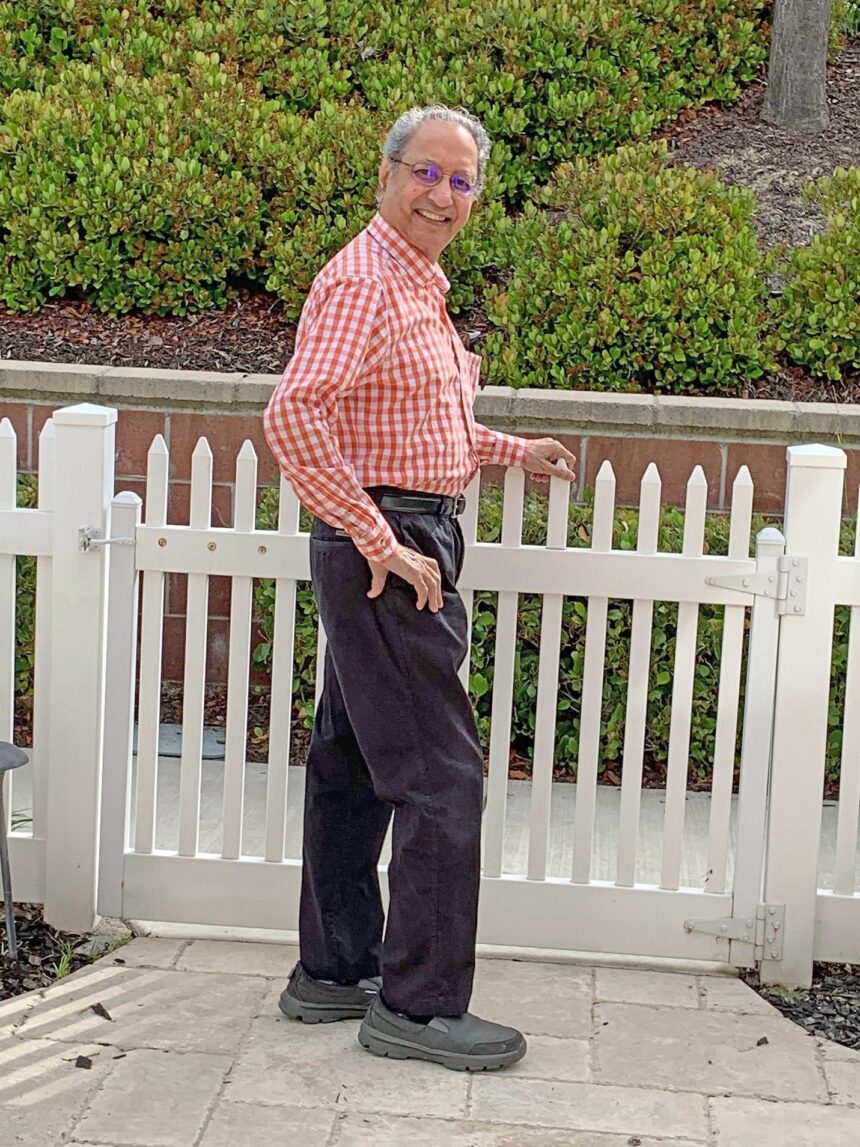
Teju Vishwamitra didn’t start in publishing. He spent his career designing electronic products, earning patents along the way. Engineering trains the brain to break big problems into small, solvable pieces. A failed circuit isn’t magic; it’s a trail of clues waiting to be followed. That same mindset, steady, methodical, curious, now drives the mystery at the heart of his novel.
But there’s another side to his background. Long before fiction, he was sketching wildlife, studying feathers, fur patterns, and posture. Artists notice what others miss. A slight shadow. An unusual angle. Observation becomes instinct. Put those two skill sets together, analytical precision and visual awareness, and you’ve got the mental toolkit of a fictional cold-case investigator.
Here’s what’s fascinating: real-world forensics has followed a similar path. In the 1980s, DNA profiling was still experimental. According to the National Institute of Justice, early forensic DNA testing helped reopen cases that had stalled for years, sometimes decades. Evidence once considered useless suddenly spoke again. Technology didn’t replace detectives; it sharpened their reach.
That idea runs straight through Teju’s thriller. The story hinges on advanced analytical tools such as Artificial Intelligence (AI) working alongside human intuition. Algorithms sift through data, but people ask the uncomfortable questions. Software reconstructs possibilities, but someone still has to knock on doors, read expressions, and sense when a story doesn’t add up. Tool and toolbox. Both matter.
There’s a common myth that technology makes investigations cold or mechanical. The opposite is often true. When routine tasks get automated, space opens for deeper thinking. The FBI’s long-running work with digital forensics units shows how software can process massive datasets, leaving investigators free to interpret patterns and pursue leads that appear almost invisible at first glance.
And that’s where fiction mirrors reality. A good mystery isn’t about gadgets saving the day. It’s about persistence. About circling back when everyone else has moved on. About believing that buried answers can still be untangled if someone is willing to look really hard.
Teju Vishwamitra’s journey into fiction is also part of a broader creative shift. More professionals from technical fields are turning to storytelling later in life, bringing hard-earned expertise with them. They’ve built systems, solved design failures, and tested limits. When they write, those habits show up on the page as tight plotting and believable problem-solving. No hand-waving. No convenient miracles.
The result is a thriller grounded in how investigations actually unfold: slow progress, sudden breakthroughs, long stretches of doubt. Then a piece falls into place. Another. The picture sharpens.
Piecing together the truth is like restoring a shattered vase; every fragment matters, but the glue is patient deduction.
In the end, stories like this resonate because they echo something deeply human. We want answers. We want loose ends tied. We want to believe that time doesn’t erase everything. Sometimes it just hides the trail until the right tools and the right minds come along.
Read the fast-paced thriller that uses human brilliance, courage and modern technology to solve a 32-year old baffling double murder. Now available in hardcover, paperback and ebook.
Author Bio
Teju Vishwamitra writes gripping thrillers where modern technology meets relentless determination. His work explores how light finds its way into history’s darkest corners.